Very Different Dwellings
- chirp54
- Dec 4, 2025
- 3 min read
We drove out into the countryside again for visits to two National Trust properties. The first was Hanbury Hall, a stately William and Mary-style country house.

The Vernon family, one of the most prominent families in Worcestershire, started construction on the house in 1701. It was built on the site of a 17th century dwelling and the rear wall is thought to be from the earlier house. As each generation of Vernons took ownership of the house, it was redesigned and redecorated until it resembled the property we see today. The family's motto "Vernon semper viret" which means "Vernon always flourishes", is carved into the fireplace. It's a bit of joke among the staff that the family china looks as though it says "Ver non semper viret", which means "spring doesn't always bloom."

That might be a apropos because there was a lot of turmoil in the family, including the tale of Emma Vernon who married Henry Cecil, first Marquess of Exeter. She had given birth several times but none of her children survived infancy. She was consoled by the local vicar with whom she had a torrid love affair. They made plans to run away together but old Henry found out, refused her entry to the house to get her belongings, and sold the contents of the house. (Woman at the time were forbidden from owning property so the family home belonged to him.) The house remained empty until Emma and her third husband, John Phillips, were able to buy it back.
The dining room is striking, but the ceiling is extraordinary.

The painting represents Apollo and Cyrene

As beautiful as it is, it pales in comparison to the paintings in the main hall. These were painted by Sir James Thornhill, who also painted ceilings in such notable places as the Painted Hall of the Royal Naval College, Blenheim Hall and St. Paul's Cathedral.
The opulence of the walls and ceiling are in contrast to the rooms which are relatively humble.
The parlor:

The Blue Bedroom:

The Hercules bedroom:

The upper windows look out onto the parterre.

The grounds are lovely but, it being November, nothing was in bloom, so left to drive to our next destination, On the way we visited the building that we had thought was Hanbury Hall. We had seen a tall tower from the road but it turned out not to be the house, but was the Hanbury Parish Church.

We arrived shortly after the Sunday service had ended. The ladies of the church were clearing up and most of the congregation had left. Just one remained.

The Vernons of Hanbury Hall were great supporters of the church and installed opulent tombs in their own memory.


The church is really lovely.


It's actually an historic building; the stonework of the west window of the south aisle is Norman and the south arcade dates from around 1210. There have been countless changes over the years with new pews added in 1792, a brass chandelier (now electrified) in 1795. In 1861 George Edmund Street, a prominent Victorian architect, rebuilt the Chancel with decorated ceilings and a splendid organ case.


It's always the quirky bits that appeal to me. In one aisle there's a collection of notebooks that contain stories about the church. My favorite was a notebook about how the Hanbury Women's Institute supported the war effort in WWII.

We walked around the church yard


then headed to the car for the drive to Kinver Edge and the Rock Houses.

The dwellings were carved out of the sandstone cliffs. There are records of people living in them houses as early as 1777.


It's hard to imagine why people would want to live in a rock cave with no plumbing, until you learn that the major employer in the area was the Hyde Iron Works. Living near the iron works you would have been subjected to the terrible pollution, so the idea of rising above it all, so to speak, would have been very appealing. It was clearly a very simple life, but people lived in these houses until the 1950s, when they were persuaded to leave them for local council housing. They were derelict and deteriorating, only occupied by local wildlife until restoration began in the 1990s.
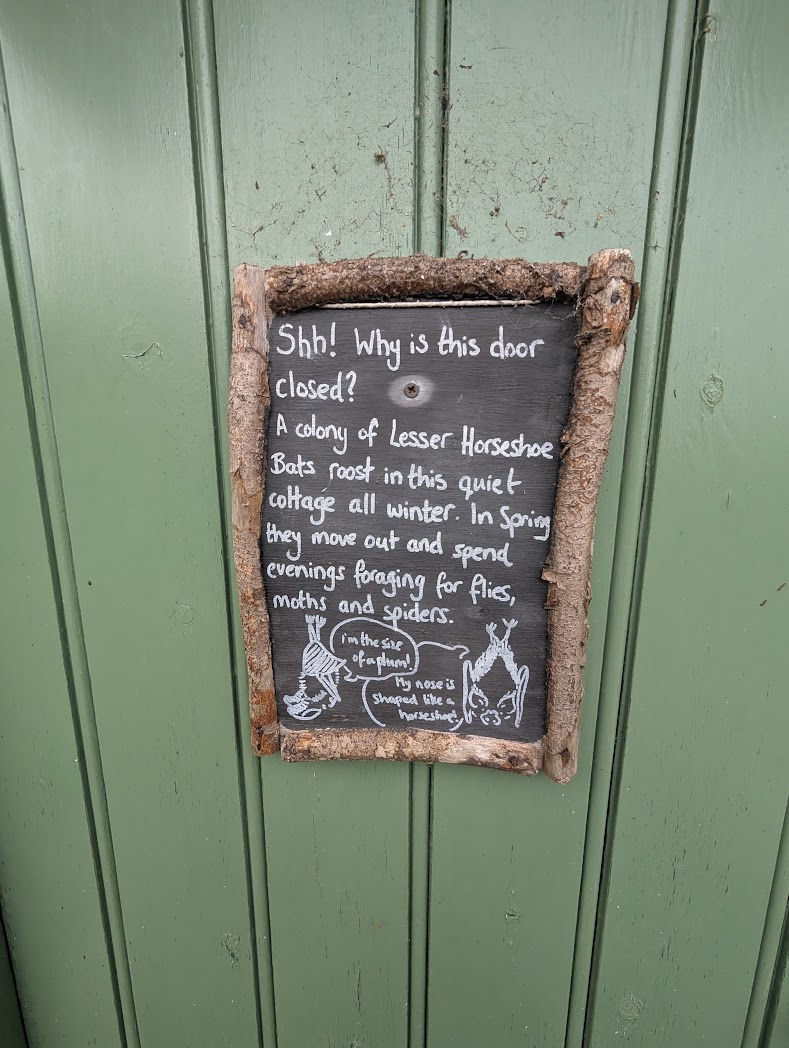

The National Trust runs them now and even has a small cafe at the top of the cliff. The most interesting feature, in my opinion, was the recording of interviews with people who used to live in the houses. It was fascinating to hear about their lives and how sad some of them were when they had to leave. Clearly they were hardier soles than I.


Comments